October 15, 2025

2
min read
DC Fintech Summit 2025: Regulation Meets Innovation in the Capital
Over 250+ leaders convened in DC for the 2nd Annual Fintech Summit to shape digital assets, AI, and the future of financial regulation.

Over 250+ leaders convened in DC for the 2nd Annual Fintech Summit to shape digital assets, AI, and the future of financial regulation.
Washington cemented its role as the U.S. hub for fintech policy, innovation, and regulation. 250+ leaders from finance, technology, government, and venture capital gathered in Washington, DC, to chart how digital assets, AI, and regulation will shape the next era of finance.
💼 Organizer: DC Tech & Venture Coalition (DCTAV)
🤝 Sponsor: Penn West Innovation District & Washington DC Economic Partnership (WDCEP)
🏦 Co-host: DC Department of Insurance, Securities and Banking (DISB)
📅 Date: October 14, 2025
⏰ Time: 8:00 AM – 12:30 PM
📍 Location: International Square | Washington, DC
✅ The US Genius Act created the first national framework for stablecoin regulation, shifting fintech from experimentation to scale.
✅ The Clarity Act, now before the Senate, could define how crypto, commodities, and securities coexist.
✅ AI is emerging as fintech’s next disruptor. 95% of pilots fail, but successful ones are reshaping payments, compliance, and lending.
✅ Policymakers warned that ignoring regulation is no longer an option: compliance and innovation now move in tandem.
✅ DC’s fintech programs, including the Venture Fund and Innovation Finance Program are positioning the city as a launchpad for regulated tech.
✅ Consumer protection and cybersecurity remain front-line issues for trust and adoption.
✅ Global regulatory competition is intensifying; US leadership depends on aligning innovation with responsible governance.
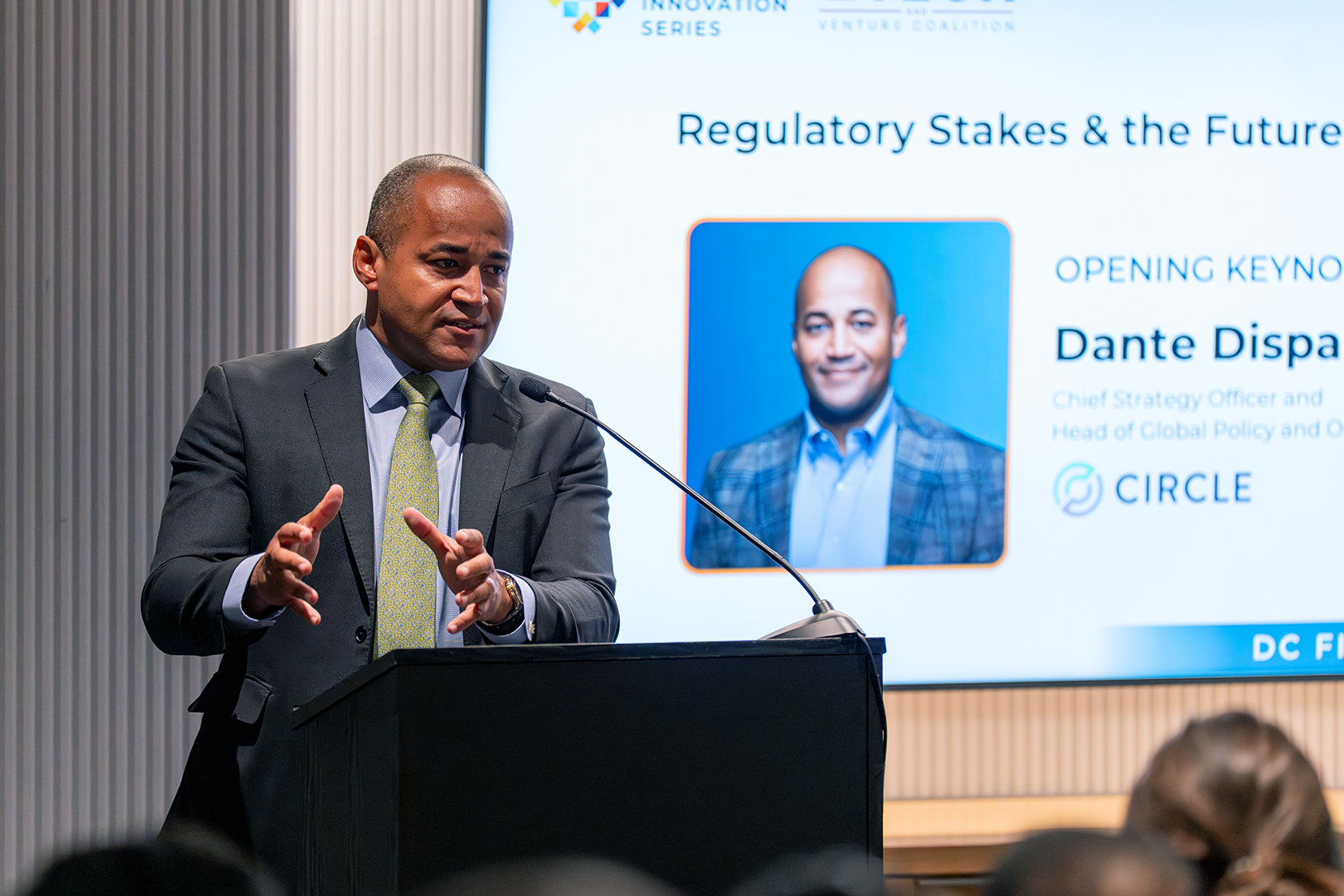
Dante Disparte, Chief Strategy Officer and Head of Global Policy and Operations, Circle
The Genius Act closed the US “fintech constitutional gap,” making stablecoin oversight a matter of national competitiveness and global currency strength.
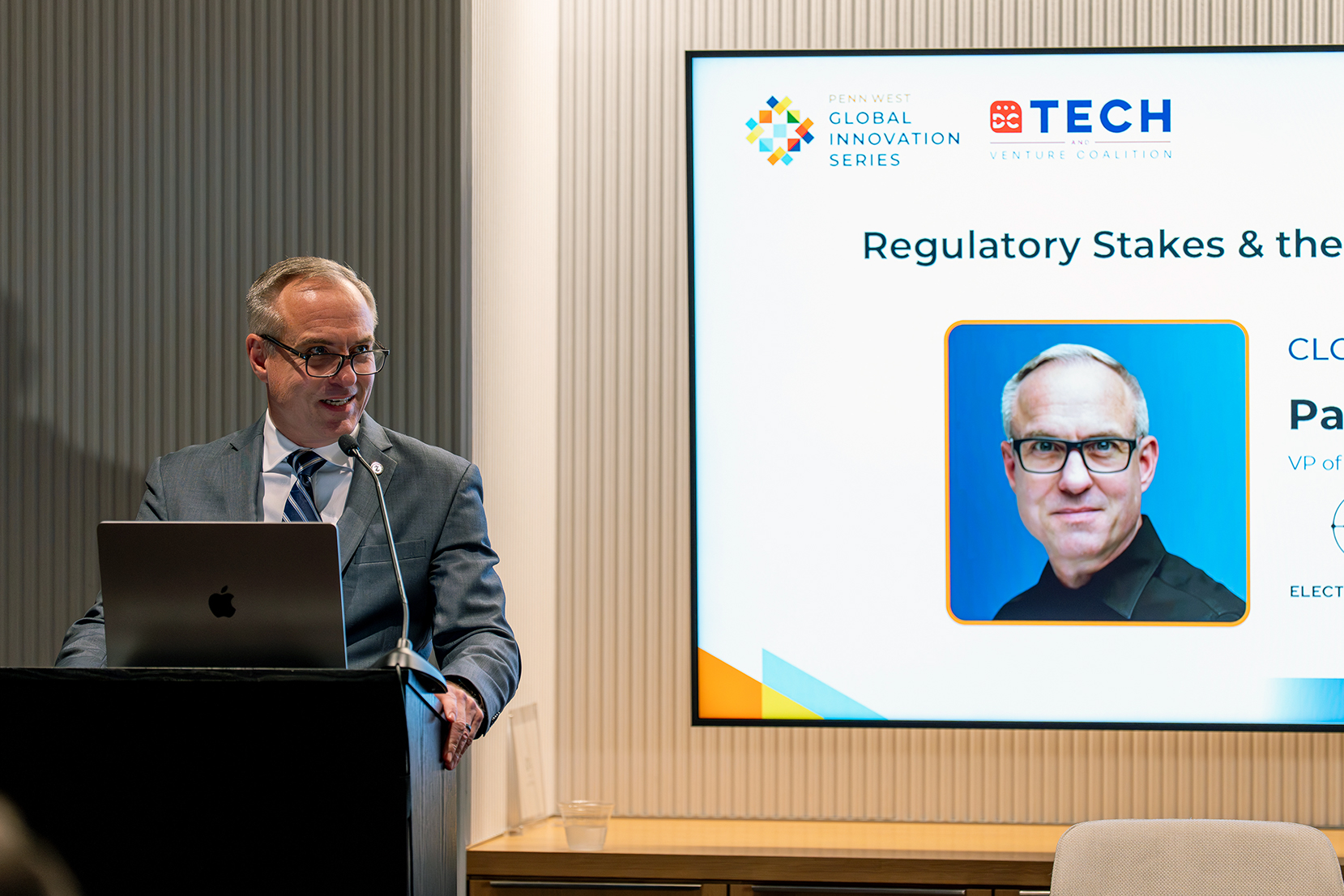
Paul Brigner, VP of Strategic Alliances, Electric Coin Co.
The contest is no longer between banks and startups. It’s between human regulators, AI systems, and global markets vying for control of financial infrastructure.
62% of attendees held executive roles, including C-suite leaders, partners, vice presidents, and founders, spanning fintech startups, federal agencies, venture funds, and policy institutes. Key organizations represented included Capital One, the World Bank, Deloitte, the DC Department of Insurance, Securities and Banking (DISB), Georgetown University, the National Bankers Association, and the DC Office of the Deputy Mayor for Planning and Economic Development.
• How will the Genius Act reshape stablecoin issuance and oversight?
• What does “regulating innovation” mean for AI-driven fintech?
• How can DC attract and retain fintechs while maintaining consumer trust?
In a city where policy meets innovation, the 2025 DC Fintech Summit made one thing clear: the future of finance will be written in Washington. From Capitol Hill to startups on K Street, fintech is no longer waiting for permission - it’s building what comes next.
Finally, a huge thank you to everyone who made the 2025 DC Fintech Summit possible. To our partners at the DC Department of Insurance, Securities and Banking (DISB) and the Penn West Innovation District - your leadership and collaboration set the stage for meaningful dialogue and real progress. To the DCTAV team, our speakers, moderators, and panelists - thank you for lending your time, expertise, and insight. And to every attendee, founder, policymaker, and investor who joined us in Washington - your energy and ideas are what make this community thrive. Together, we’re building the next chapter of fintech right here in DC.
We'll see you next year for the 3rd Annual DC Fintech Summit!